Login
Freight Forwarder vs. Going Solo: Which Path is Right for Your Shipment?
February 3, 2026
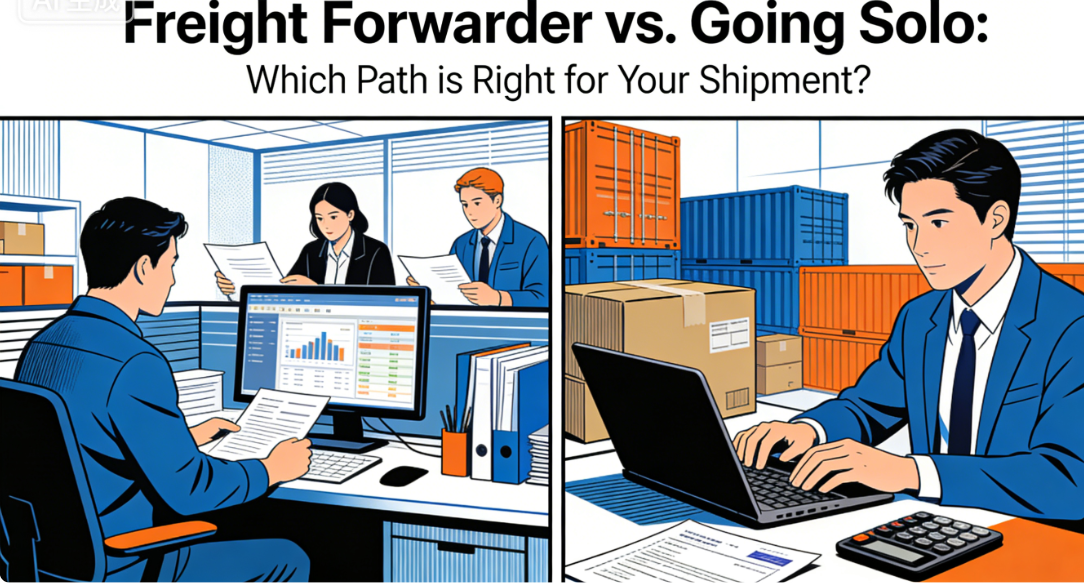
Navigating the complexities of international shipping can be daunting for cross-border e-commerce sellers, manufacturing companies, and retailers. As you consider your options for shipping goods from China to international markets, one of the crucial decisions you’ll face is whether to partner with a freight forwarder or to manage the logistics yourself. Each path has its advantages and challenges, making it vital to understand which option aligns best with your business needs.
Understanding Freight Forwarders
Freight forwarders act as intermediaries between you and the shipping carriers. They manage the entire logistics process, including documentation, customs clearance, and transportation. Here are some key advantages of working with a freight forwarder:
- Expertise and Experience: Freight forwarders have extensive knowledge of international shipping regulations and practices. They can help you navigate the complexities of customs compliance, reducing the risk of delays and fines.
- Cost-Effectiveness: By leveraging their established relationships with carriers, freight forwarders can often secure better rates and negotiate favorable terms. This can lead to significant savings in transportation costs.
- Time Savings: Managing logistics can be time-consuming. A freight forwarder takes care of the shipping process, allowing you to focus on your core business operations.
- Risk Mitigation: With their industry knowledge, freight forwarders can identify potential risks and provide solutions, helping to ensure your cargo arrives safely and on time.
Going Solo: Pros and Cons
On the other hand, managing your shipping logistics independently can offer its own set of benefits. Here’s what you should consider if you choose to go solo:
- Control: Handling shipments on your own gives you complete control over every aspect of the process. You can make decisions quickly and adapt to changing circumstances without having to consult a third party.
- Direct Relationships with Carriers: Building direct relationships with shipping carriers can lead to potential cost savings. You can also gain insights into their service offerings and capabilities.
- Flexibility: Going solo provides you with the flexibility to choose specific carriers, routes, and shipping methods that align closely with your business needs and timelines.
However, self-managing shipments also comes with challenges:
- Complexity: Understanding international shipping regulations, customs procedures, and required documentation can be overwhelming. A single error can lead to delays and additional costs.
- Limited Resources: As a growing e-commerce seller or manufacturer, you may not have access to the same resources and connections as established freight forwarders.
- Time-Consuming: The logistics involved in shipping can take considerable time away from other important business functions, such as marketing and sales.
Finding the Right Path
Choosing between a freight forwarder and going solo requires careful consideration of your specific needs, business goals, and resources. Here are some factors to help you make an informed decision:
- Volume of Shipments: If you regularly ship large quantities, partnering with a freight forwarder may be beneficial to negotiate better rates and streamline logistics.
- Frequency of Shipments: For businesses making occasional shipments, navigating logistics independently may be feasible.
- Expertise: Evaluate whether your team has the necessary expertise to manage the complexities of shipping internationally.
- Budget: Consider the costs associated with both options. While a freight forwarder may have service fees, the potential savings they can provide may outweigh those costs.
Conclusion
As a cross-border e-commerce seller, manufacturer, or retailer, your choice between working with a freight forwarder or managing shipments independently is pivotal to your business. Weigh the pros and cons of each option based on your unique circumstances. While freight forwarders can provide invaluable support and expertise, going solo may offer more control and flexibility.
In the end, the right path for your shipment is one that aligns with your business goals and enhances your ability to deliver products to international markets efficiently. Whether you choose to go with a freight forwarder or go solo, understanding your options is key to ensuring successful cross-border shipping.