New U.S. import rules have removed the $800 de‑minimis duty‑free exemption for Chinese‑origin parcels. Shopify direct‑from‑China shipping remains viable only for high‑margin, high‑average‑order‑value (AOV) store models
What key US import rule changes affect Shopify China‑direct shipments?
The core change is the indefinite suspension of de‑minimis exemption, which previously allowed low‑value parcels under $800 to enter the United States duty‑free. Starting August 2025, every single parcel shipped directly from China to US consumers requires formal customs entry, applicable duties, and customs broker handling fees, regardless of parcel value (CBP, June 2026)
De‑minimis is a customs rule that waived import duties for low‑value shipments. Before the rule update, many Shopify dropshipping sellers relied on this exemption to keep fulfillment costs low. Now, Section 301 tariffs and Section 122 surcharges apply to all China‑origin goods, adding multiple layers of import cost to every individual order. Small‑value consumer goods that were profitable before now face sharp margin compression.
How do new rules shift the cost math for Shopify direct‑from‑China orders?
Direct‑from‑China shipping no longer carries zero‑duty benefit. Each customer order incurs product cost, international shipping, stacked import duties, and customs broker processing fees. These additional expenses hit low‑AOV stores the hardest.
| Business Model | Average Order Value | Profitability under new US rules | Key Cost Pressure |
|---|---|---|---|
| Low‑margin dropshipping | Under $30 | Not profitable | Duties + broker fees eat most gross margin |
| Mid‑AOV niche store | $30‑$75 | Margin‑tight, possible with price adjustments | Higher landed cost requires careful pricing |
| High‑ticket branded store | Above $75 | Still viable | Tariff cost represents smaller share of retail price |
The table data reflects real‑world landed‑cost analysis for Shopify DTC sellers (EboxMan, July 2026). Low‑price‑point stores cannot absorb the new import charges without raising retail prices, which risks lower conversion rates.
What risks come with direct‑from‑China shipping under current US regulations?
Sellers face multiple operational and financial risks when shipping individual orders directly from China to US buyers. First, each parcel needs valid HTS (Harmonized Tariff Schedule) classification. Wrong HTS codes can trigger customs holds, back‑duty penalties, or fines up to four times unpaid duty amounts (Ecommerce Times, June 2026).
Second, customers may receive unexpected customs bills. Even if you use delivered duty paid (DDP) terms, inconsistent broker documentation can cause delivery delays or returned parcels. Third, return logistics become complicated. Returned goods sent back to China create extra shipping and customs costs that most small Shopify sellers do not budget for.
What alternative fulfillment options can Shopify sellers consider?
When direct‑from‑China margins shrink, sellers can switch to alternative fulfillment workflows to maintain stable profits.
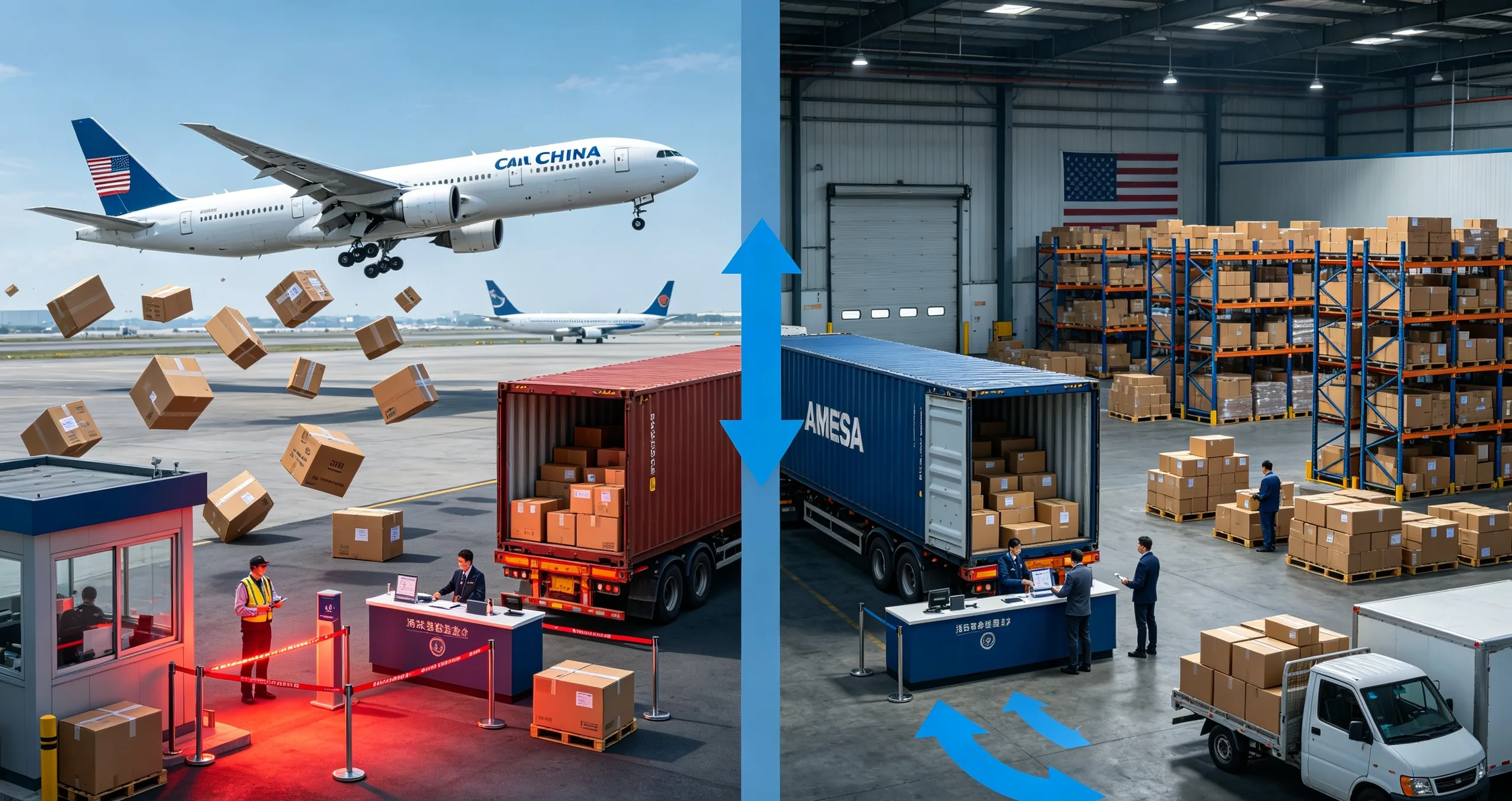
- Bulk consolidated import: Ship large batches from China to US warehouses via full container load (FCL) or less than container load (LCL). Complete one‑time customs clearance for the whole shipment, then fulfill customer orders from domestic US inventory. This eliminates per‑parcel broker fees and reduces administrative workload.
- Consolidated DDP shipping: Work with a logistics provider to group multiple individual orders into one consolidated import shipment. The broker handles all customs formalities in bulk, lowering per‑unit processing cost.
- Product portfolio adjustment: Remove low‑margin SKUs that cannot absorb new tariff costs, and focus on higher‑AOV branded items.
Frequently Asked Questions
Q1: Can I still run pure dropshipping with direct‑from‑China shipping for my Shopify store? A1: Pure per‑order dropshipping is rarely profitable for low‑value goods. It can work only for high‑ticket products where tariff costs represent a small percentage of the sale price.
Q2: Does using DDP trade terms fully remove all risks for China‑direct Shopify shipments? A2: No. DDP covers duty payment, but you still need correct HTS classification and proper customs documentation. Poor paperwork still causes parcel holds and customer‑facing issues.
Q3: Will the de‑minimis exemption return in the near future? A3: The U.S. Customs and Border Protection has implemented indefinite suspension of the de‑minimis exemption for Chinese‑origin shipments. No official timeline for reinstatement exists (CBP, June 2026).
Q4: What is the biggest cost difference between direct‑from‑China and bulk US‑warehouse fulfillment? A4: Direct‑from‑China charges customs broker fees for every single order. Bulk import pays broker fees once for an entire shipment, cutting repeated administrative charges.
Conclusion
New U.S. import rules have fundamentally changed the economics of Shopify direct‑from‑China shipping. Low‑margin, low‑AOV dropshipping models no longer deliver sustainable profit. High‑AOV niche brands can still make this model work with careful margin calculation and correct customs documentation.
For most Shopify sellers, bulk consolidated import into US‑based warehouses is the more stable long‑term solution. Easy China Warehouse (ECW) supports consolidated bulk shipments from China, including FCL and LCL services, to help DTC brands adapt to updated US import requirements.
If you need to evaluate your current fulfillment model or build a new import plan for your Shopify store, our logistics team can review your product catalog and order profile.
Contact us: [email protected] Follow our blog for more DTC ecommerce and international logistics insights.
Contact Us