Login

Smooth Sailing: How to Avoid the 5 Most Common (and Expensive) International Shipping Errors
December 26, 2025
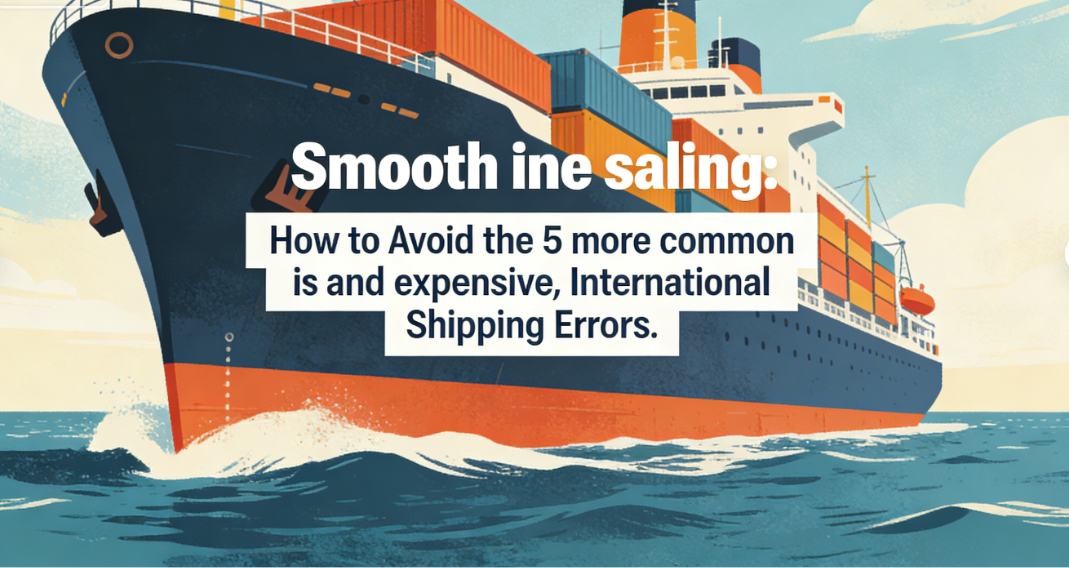
Shipping goods from China to global markets is the backbone of modern cross-border e-commerce. For sellers on Amazon FBA, Walmart Marketplace, Shopify stores, and beyond, a successful shipment means happy customers and healthy profits. But one misstep in international logistics can erase your margins with shocking speed.
At EasyChinaWarehouse, we’ve seen how costly errors can derail a business. The good news? These mistakes are almost entirely preventable. This guide will walk you through the five most common—and expensive—international shipping errors and provide actionable strategies to avoid them.
1. Inaccurate Classification and Valuation (The Customs Catastrophe)
The Error: Misdeclaring the contents or value of your shipment to save on duties seems tempting, but it’s a high-risk gamble. Incorrect HS codes (Harmonized System codes) or undervalued goods are red flags for customs authorities worldwide.
The Cost: Severe delays, confiscated goods, steep fines, and even blacklisting from customs. Your entire supply chain from China grinds to a halt.
How to Avoid It:
- Invest in Accurate HS Codes: Work with your China fulfillment center or a licensed customs broker to classify every item correctly. Don’t guess.
- Declare Full Value: Always declare the actual commercial value. Transparency builds trust and ensures smooth customs clearance.
- Keyword Tip: Proper import duty and tax calculation starts with accurate data. This is non-negotiable for efficient shipping from China to USA, UK, Germany, and other major markets.
2. Poor Packaging and Inadequate Documentation
The Error: Using flimsy cartons or incorrect palletizing leads to damaged goods. Coupled with missing or incorrect paperwork—like commercial invoices, packing lists, or certificates of origin—this creates a perfect storm.
The Cost: Physical product loss, rejected shipments, warehouse handling fees for re-packing, and frustrated customers receiving broken items. It damages your brand reputation.
How to Avoid It:
- Professional Packing Standards: Partner with a China warehousing provider that understands export packaging requirements for sea freight and air freight.
- Documentation Checklist: Use a master checklist for every shipment. Your freight forwarder should help, but the ultimate responsibility is yours. Ensure the “ship from” address (your China warehouse) and “ship to” details are flawless.
3. Ignoring Destination Country Regulations & Restrictions
The Error: Assuming what sells in one country is automatically acceptable in another. This includes safety standards (like CE, FCC), labeling laws, material restrictions, and product-specific regulations.
The Cost: Goods rejected at port, forced returns (at your expense), or destruction. For e-commerce sellers, this can mean suspended seller accounts.
How to Avoid It:
- Research Before You Ship: Before sourcing or shipping, investigate the import regulations of your target country. This is crucial for Amazon sellers using FBA prep services.
- Leverage Your Partner’s Expertise: A seasoned China-based logistics partner will have up-to-date knowledge of common destination rules and can guide you.
4. Choosing the Wrong Incoterm
The Error: Not understanding who is responsible for costs and risks at each stage of the journey. Selecting “EXW” (Ex Works) when you’re not prepared to handle the main international freight can leave you with unexpected bills and liability.
The Cost: Unbudgeted logistics charges, confusion over who files insurance claims for lost/damaged goods, and strained relationships with suppliers.
How to Avoid It:
- Understand Your Options: For most small to medium businesses, CIF (Cost, Insurance, and Freight) or DAP (Delivered at Place) offer a better balance of control and simplicity.
- Clarify with Your Supplier: Clearly agree on Incoterms in writing. For seamless control, use a China consolidation service that can take ownership from your supplier’s door.
5. Failing to Plan for Lead Time and Buffer Stock
The Error: Optimistically calculating shipping times and having no inventory buffer. You forget that sea freight from China can be affected by weather, port congestion, or Chinese holidays.
The Cost: Stockouts, lost sales, panic shipments via expensive air freight, and poor seller performance metrics on Shopify or other e-commerce platforms.
How to Avoid It:
- Add a Buffer: Always add 10-15 days to the quoted shipping lead time for ocean transport.
- Implement Safety Stock: Calculate and maintain buffer inventory, especially before peak seasons or Chinese New Year.
- Use Data: Your fulfillment center in China should provide tracking and forecasting insights to help you plan better.
Conclusion: Your Blueprint for Cost-Effective Shipping
Avoiding these expensive international shipping errors boils down to knowledge, preparation, and partnership. By mastering documentation, understanding regulations, choosing the right shipping terms, and planning for delays, you transform logistics from a cost center into a competitive advantage.
Partner with a team that helps you navigate these complexities effortlessly. At EasyChinaWarehouse, we specialize in providing reliable China sourcing and shipping solutions—from warehousing and consolidation to customs expertise and final-mile delivery—ensuring your goods move from our China warehouse to your international customers smoothly and cost-effectively.Ready to streamline your supply chain and protect your profit margins? Contact our logistics experts today for a tailored quote and let’s build a smarter shipping strategy together.