
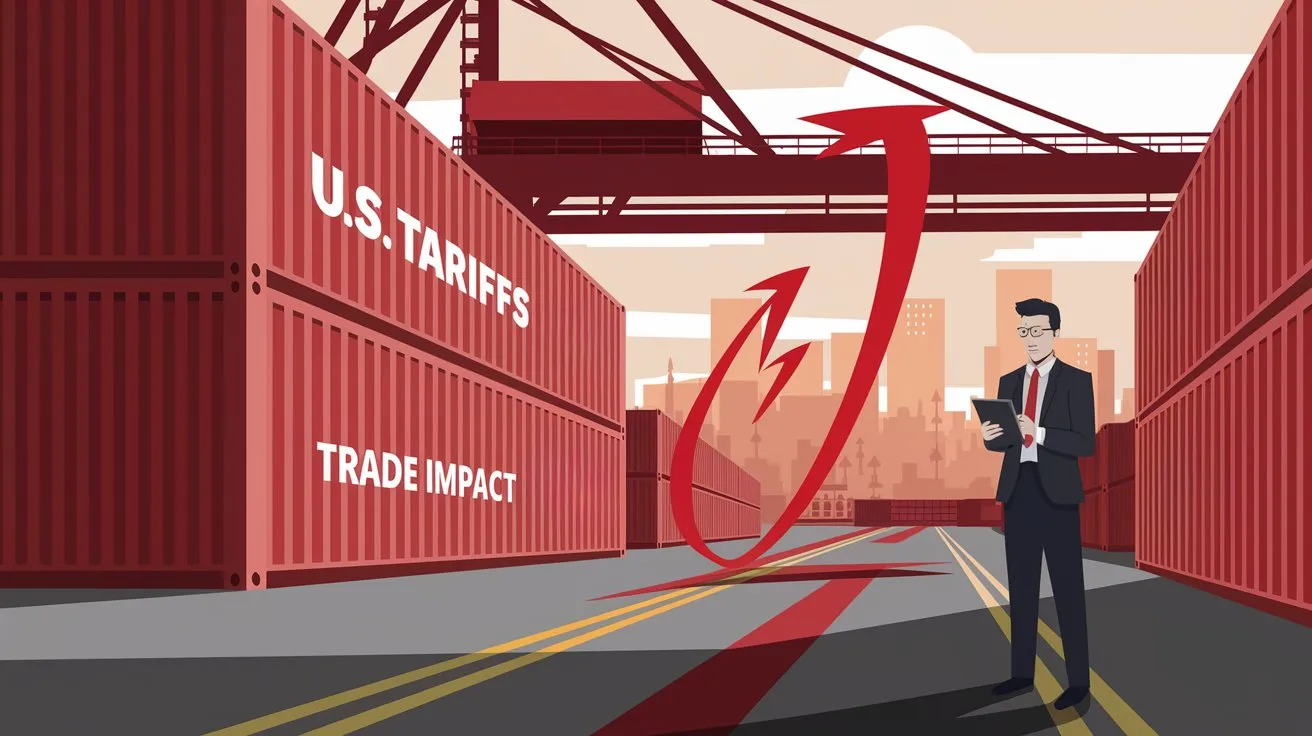
The U.S. just doubled tariffs on Chinese imports from 10% to 20%—and the impact is huge. If your business relies on Chinese suppliers, it’s time to rethink your strategy. Let’s break it down.
🔥 What’s Changing?
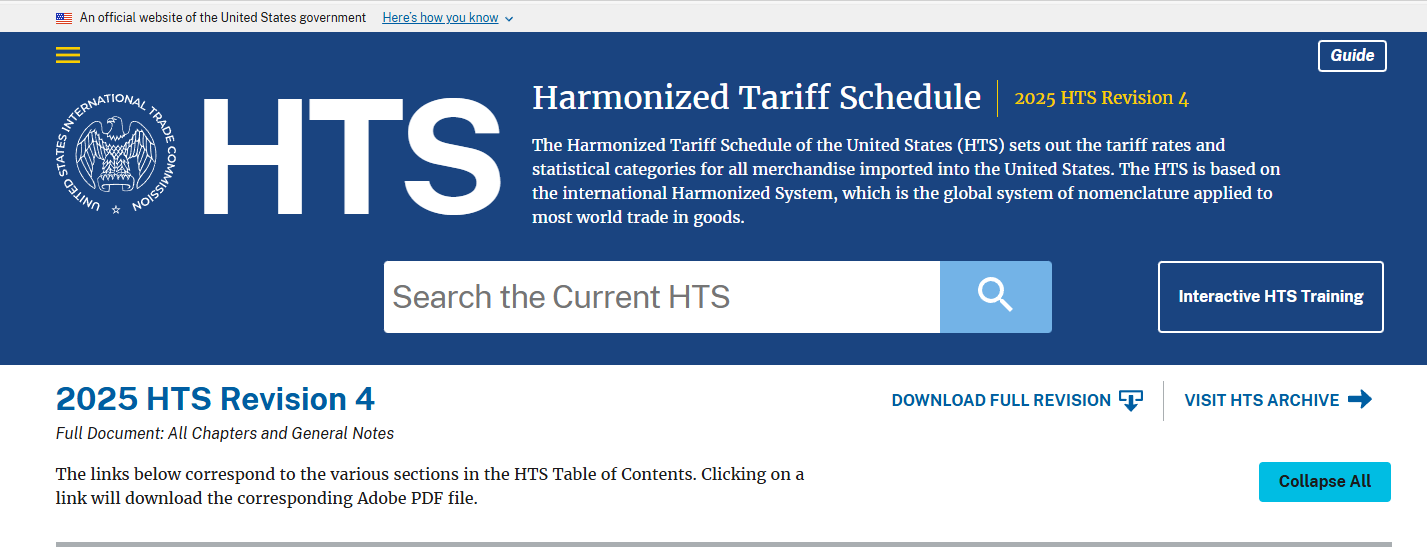
On March 3, 2025, the U.S. government revised Section 2(a) of Executive Order 14195, raising tariffs on goods from China. Here’s what you need to know:
✅ Base tariff increased to 20%
✅ Additional 25% tariffs on select products under Section 301
✅ Steel, aluminum & derivatives face a 25% or 10% tariff
✅ Some goods now face over 45% in total duties
This means higher costs, potential supply chain disruptions, and a serious shake-up for global trade.
📉 The Impact: Why It Matters
🚀 Higher Costs → Importing goods is now significantly more expensive.
🛒 Rising Prices → Businesses may pass costs to consumers, making products less competitive.
📦 Logistics Disruptions → Stricter customs procedures may delay shipments.
🌍 Trade Shifts → Expect new sourcing strategies and possible retaliation from China.
💡 How Businesses Can Stay Ahead
With the new tariffs in place, smart businesses are already adapting. Here’s how you can, too:
🔄 Diversify Your Suppliers → Look at options in Vietnam, India, or Mexico.
💰 Optimize Costs → Streamline operations and renegotiate supplier contracts.
🏭 Localize Production → Explore U.S. or nearshore manufacturing.
🌏 Expand to New Markets → Reduce dependency on U.S.-China trade.
📰 Stay Informed → Follow policy updates and work with trade experts.
🚀 The Future of Global Trade
While these changes are challenging, they also open doors for innovation and strategic growth. Businesses that act now will stay ahead of the curve.
What’s your strategy? How is your business adapting to the new tariffs?
For expert support on logistics and navigating tariffs, contact Easy China Warehouse today!