
Foreword
If there is one thing that annoys cross-border sellers the most in shipping, it must be cargo classification.
Many people get detained, fined, or returned for one simple reason: misjudging their cargo type. Ordinary goods are declared as sensitive goods (wasting money), or sensitive goods are declared as general goods (leading to inspection and detention).
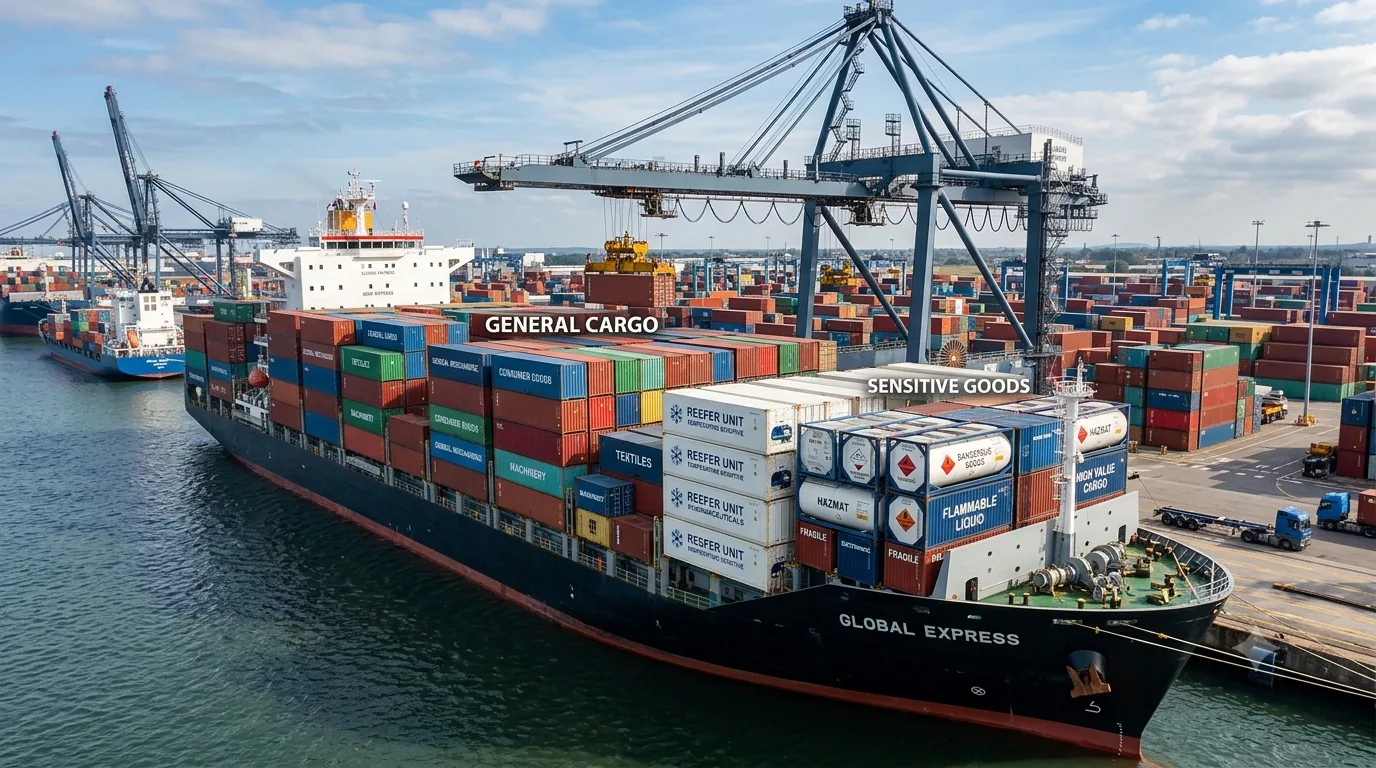
In international logistics, all export goods are simply divided into three categories: General Cargo, Sensitive Goods, and Contraband.
Today we make a super clear, seller-friendly classification guide. After reading this, you will never mess up general cargo and sensitive goods again, effectively avoiding customs inspection, detention, and extra freight losses.
01 What Is General Cargo?
Definition
General cargo refers to regular products with no special transportation requirements, no sensitive attributes, and no dangerous or prohibited features. It is the safest and most worry-free cargo type in cross-border shipping.
Core Features
Low inspection rate, super simple documents, abundant shipping channels, and the lowest freight cost. Only basic documents are required: commercial invoice + packing list + bill of lading.
Common General Cargo List
Textiles & Apparel: Unbranded/authorized clothing, shoes, socks, scarves, ordinary fabrics (excluding genuine leather/down).
Daily Necessities: Non-electric kitchenware, tableware, stationery, non-electric toys, plastic products, ordinary hardware accessories.
Light Industrial & Home Goods: Ordinary furniture, ceramic/glass products (simply packaged), paper products, crafts without endangered materials.
Others: Office supplies, non-mechanical sports goods, ordinary decorative ornaments, unbranded bags, ordinary data cables (no chips).
02 What Are Sensitive Goods? (High-Risk But Shippable)
Definition
Sensitive goods are between general cargo and contraband. They have potential transportation and customs risks, requiring special channels, complete certifications, and standard declaration for export.
Core Features
Higher freight, higher customs inspection rate, and mandatory additional documents such as MSDS, UN38.3, and component reports.
8 Major Categories of Sensitive Goods (Full List)
1. Battery & Electric Products (Most Common)
Built-in batteries: mobile phones, tablets, laptops, cameras, power banks, Bluetooth earphones, electric toothbrushes, smart watches, electric toys.
Pure batteries: lithium batteries, dry batteries, button batteries, 18650 cells (more sensitive than built-in batteries).
Mandatory documents: UN38.3 report, MSDS, aviation identification report.
2. Magnetic Products
Speakers, horns, motors, fans, magnetic phone cases, magnets, electric vehicle accessories, magnetic toys.
Tips: Weak magnets require magnetic inspection reports; strong magnets (neodymium magnets) can only be shipped via dangerous goods channels.
3. Liquids, Creams & Gels
Cosmetics: toner, lotion, cream, lipstick, perfume, nail polish, essential oil.
Daily care: shampoo, body wash, toothpaste, hand sanitizer.
Food & Condiments: honey, jam, sauce, cooking oil, beverages.
Medical supplies: oral liquid, ointment, eye drops, traditional Chinese medicine decoction.
High-risk reminder: Alcohol concentration over 70% and high-pressure sprays (hair spray, sunscreen spray) are rejected by most channels.
4. Powder Products
Food powder: milk powder, coffee powder, protein powder, tea powder, meal replacement powder.
Makeup powder: loose powder, eyeshadow, blush, pressed powder.
Industrial powder: pigment, coating, chemical powder, baking soda, mask powder.
High-risk reminder: Unknown white powder will be 100% inspected by customs.
5. Food, Health Products & Fresh Goods
Snacks, tea, dried goods, nuts, chocolate, health supplements, infant complementary food, unprocessed Chinese medicinal materials.
Mandatory documents: certificate of origin, health certificate, component analysis report.
6. Brand & Infringement Products
Counterfeit/OEM goods: unauthorized big brands (LV, Nike, Apple, etc.), order-following goods, infringing patterns and cartoon images.
Unauthorized genuine goods: parallel exported goods, easily detained during EU and US customs clearance.
Risk: Goods confiscation + heavy fines, even criminal liability in serious cases.
7. Special Controlled Products
Epidemic prevention materials: masks, protective clothing, thermometers, test kits (qualification required).
Cutting tools: kitchen knives, utility knives, outdoor knives (air freight prohibited).
Adult products: sex toys, erotic lingerie (restricted in some countries).
Precious metals & jewelry: gold, silver, diamonds, high-value ornaments (formal customs declaration required).
8. Other Sensitive Products
Electronic accessories: chip motherboards, USB flash drives, GPS equipment.
Wood & plant products: raw wood, furniture (without fumigation), seeds, fresh flowers (quarantine required).
Leather & fur: genuine leather bags, leather shoes, fur (endangered species prohibited).
03 General Cargo VS Sensitive Goods: Core Differences
General Cargo: Low inspection rate, low price, simple documents, stable clearance, zero hidden risks. It is the most cost-effective shipping type.
Sensitive Goods: High inspection rate, higher freight, complete certification required, special dedicated channels needed, certain detention risks exist.
04 Shipping Pitfall Summary Must-Know
✅ General Cargo Judgment Standard
No electricity, no magnet, no liquid, no powder, no food, no brand infringement — basically safe to ship.
⚠️ Sensitive Goods Operation Tips
Prepare complete certifications in advance, declare in compliance, and select professional dedicated lines to greatly reduce detention and return risks.
❌ Absolute Contraband (Strictly Prohibited)
Drugs, guns, explosives, flammable and explosive items, endangered species products, pirated CDs and other prohibited items are completely unacceptable for export.
Final Thought
90% of cross-border shipping problems come from wrong cargo classification.
Declaring sensitive goods as general cargo for cheap freight will only lead to customs inspection, cargo detention and heavy losses. Blindly shipping general goods via sensitive channels will waste unnecessary logistics costs.
Accurate classification, standardized declaration, and matching channel selection are the most basic and critical skills for stable cross-border shipping.
If you have any questions or need assistance with your logistic shipment from China, please don’t hesitate to reach out to us. We are committed to providing the support you need: [email protected]