
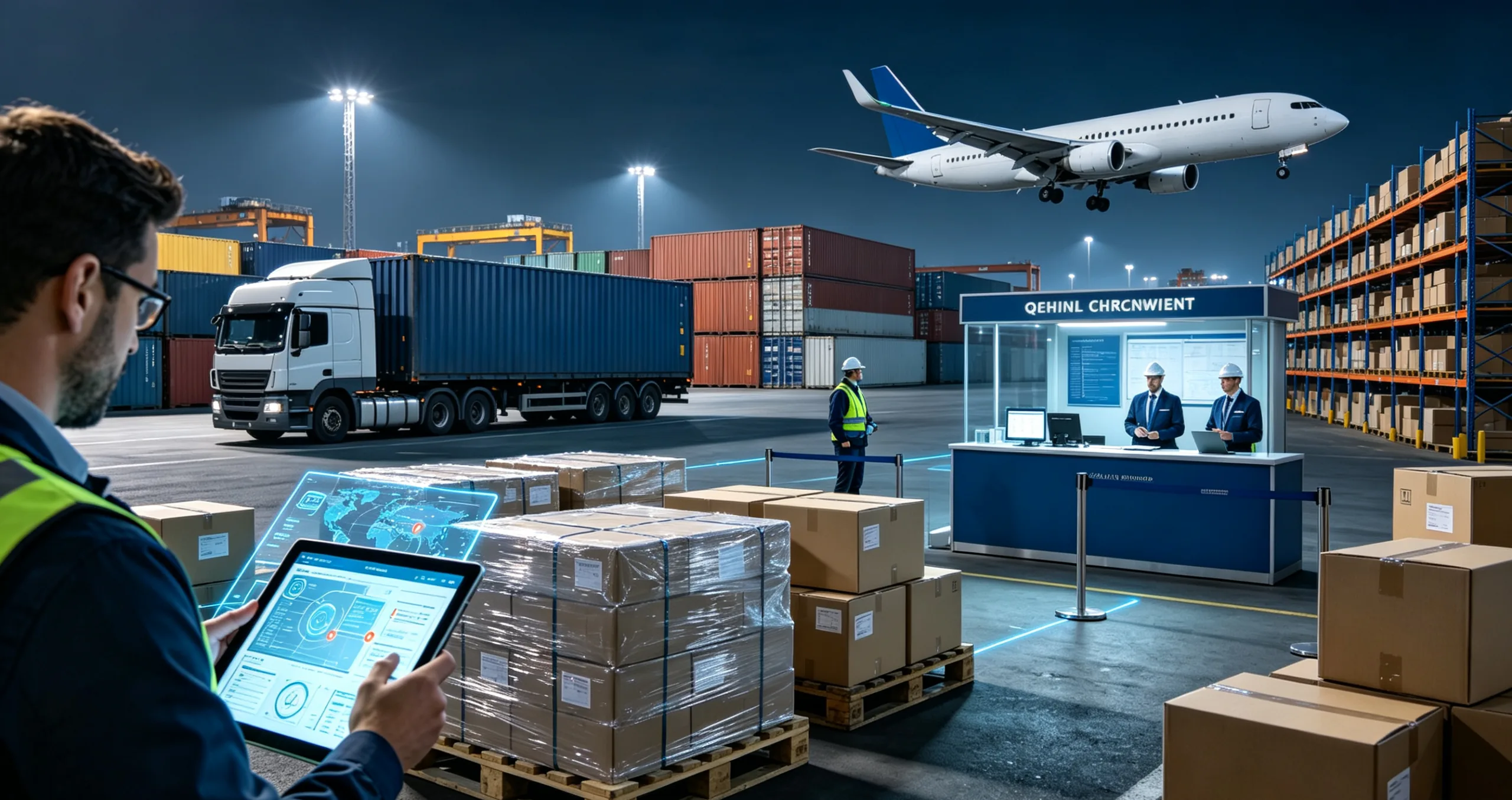
Shipping with customs clearance service handles goods transportation and customs formalities in one workflow, helping cross‑border sellers avoid customs detention, extra fines and delivery delays for Amazon FBA or overseas warehouse shipments.
What is shipping with customs clearance service?
Shipping with customs clearance service means one logistics provider takes charge of both cargo transport and import customs declaration. Customs clearance refers to the official procedure where local customs inspect, verify and release imported goods. Many new sellers separate freight forwarder and customs broker, which creates information gaps when documents do not match. This combined service removes that gap for small‑to‑mid‑size importers and e‑commerce merchants.
What risks will you face without bundled shipping and customs clearance?
Without integrated shipping and customs clearance, you take full responsibility for import document preparation and customs communication. Common practical risks include cargo hold‑ups, unexpected penalty fees, returned shipments and missed Amazon FBA receiving windows.
- Document mismatch:Freight forwarder and customs broker hold inconsistent cargo data, triggering customs inspection.
- Unclear duty liability:No clear agreement on who pays import tax, leading to unexpected extra costs.
- Slow emergency response:Two separate teams cannot coordinate quickly when goods are detained.
- FBA receiving failure:Delayed arrival causes your Amazon shipment plan to expire.
Who should use shipping with customs clearance service?
This service fits most China‑sourced cross‑border merchants, especially these groups:
- Amazon FBA sellers who send bulk inventory to overseas fulfilment centres
- DTC independent‑store operators without local import teams
- Small‑and‑medium traders with no dedicated customs agent overseas
- Sellers shipping mixed‑SKU consolidated cargo from multiple Chinese suppliers
It is less necessary if you have your own local licensed customs broker and complete import operation team.
What real benefits can sellers get from this service?
- Reduce customs detention probability One team manages documents and cargo status. According to Amazon Seller Platform 2025 statistics, aligned document workflows lower inspection‑related hold‑up rates for e‑commerce shipments.
- Clear cost boundary All import‑related charges including freight, duty and clearance fees are listed upfront. You can review full costs before shipment instead of receiving surprise bills abroad.
- Protect your Amazon FBA shipment plan Customs delays often make FBA inbound plans invalid. Integrated service shortens the whole cycle and lowers the risk of re‑creating shipment plans.
- Centralized point of contact You only communicate with one service team when problems happen, instead of coordinating between forwarders and brokers.
Shipping with customs clearance vs separate freight and customs broker
表格
| Item | Shipping with customs clearance service | Separate freight + independent customs broker |
|---|---|---|
| Responsible party | Single logistics provider | Freight company and customs broker |
| Document consistency | Unified set of shipping & declaration documents | Risk of data mismatch between two parties |
| Emergency handling | One‑team response | Need cross‑party coordination |
| Suitable for | Most FBA sellers, small importers | Merchants with stable local customs resources |
FAQ
Can shipping with customs clearance service guarantee zero customs inspection?
No service can promise 100% no inspection. Customs inspection follows local customs authority rules. This service improves document accuracy and response speed, but cannot override official regulatory requirements.
Does shipping with customs clearance include import duty payment?
Not by default. Confirm duty payment terms before booking. Some solutions support DDP (delivered duty paid), while others use DAP (delivered at place) where receivers cover import tax.
Note: DDP means the supplier covers import duty and tax; DAP means receivers bear local import taxes, two terms you will frequently meet in cross‑border logistics.
Will this service work for consolidation cargo from multiple suppliers?
Yes. For consolidated shipments gathered inside China, the provider can finish unified declaration work for your combined cargo.
What information do I need to prepare before placing an order?
Prepare commodity name, HS code, unit value, quantity and recipient EORI or VAT number for import. Missing key documents remain the top cause of clearance delays.
Final Thought Customs hold‑ups and unexpected extra charges are major hidden risks for cross‑border shipments. Shipping with customs clearance service standardizes your document workflow and reduces avoidable mistakes when sending inventory to Amazon FBA or overseas warehouses. Review duty terms and document requirements before confirming any logistics booking. If you want stable end‑to‑end shipping solutions with customs support, reach us: [email protected] Follow our blog for more cross‑border logistics risk‑avoidance tips!