
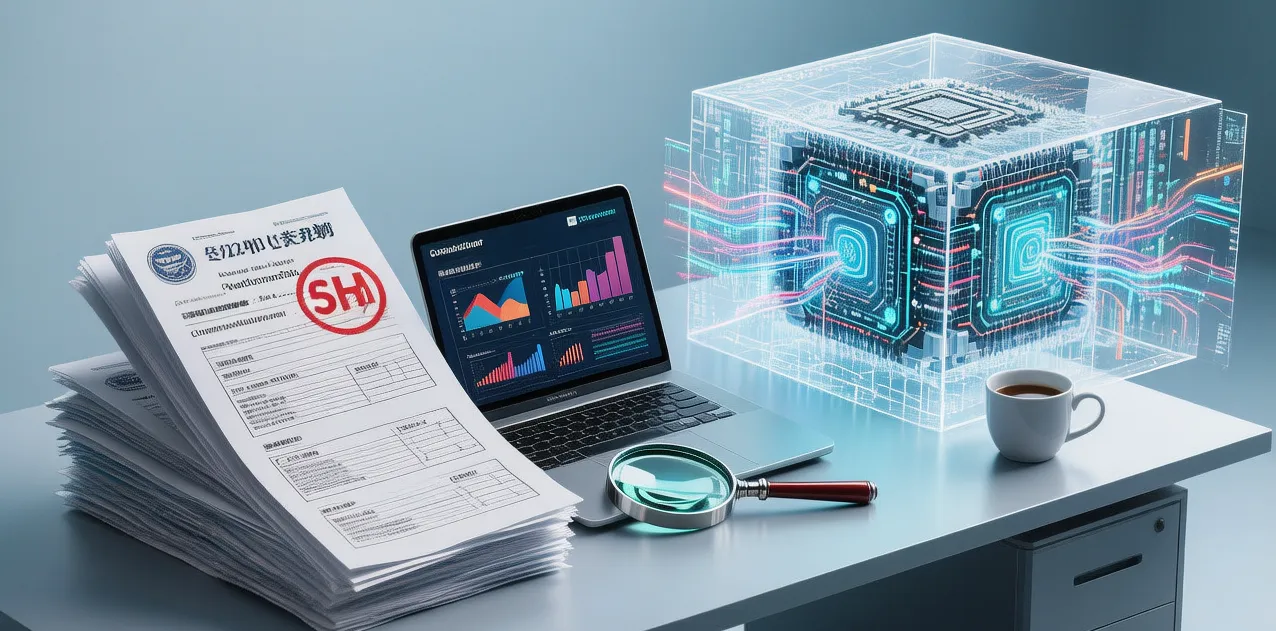
A chilling term has been circulating among US-bound sellers lately: Fast Doc Review. Some call it “the eye behind Code 5H”; others dub it “Customs’ Zero-Tolerance Task Force.”
Whatever the name, its essence is clear: US Customs is sending a direct message—non-compliant shipments will not enter.
This is no temporary crackdown, but a fundamental overhaul of enforcement logic and methods. Today, we break down what you need to know.
1. What is Fast Doc Review? A “No Amendments, No Compromise” Inspection Net
Fast Doc Review (FDR) is a new division established by US Customs and Border Protection (CBP) between late 2025 and early 2026. Its sole mission: end-to-end penetrating review of import documents before cargo arrives at the port.
Unlike traditional inspections, FDR has three defining features:
First, Document Review Before Physical Inspection
Upon arrival, cargo is flagged as Entry Processing Hold (Code 5H). Customs first audits invoices, packing lists, and manifests, cross-referencing product descriptions, values, importer credentials, and HS codes. If documents are flawed, release is denied—no chance to submit corrections.
Second, Zero Tolerance; No Document Amendments
In the past, brokers could submit supplementary documents or correct data when issues arose. Now, FDR’s golden rule: Failed documents = immediate rejection. No “second chance”.
Third, End-to-End Penetration—Not Just Checking Cargo
Customs no longer only verifies “what is declared.” It scrutinizes the entire trade chain: domestic purchase contracts, transport documents, importer qualifications, and even end sales records.
An industry insider stated bluntly: “Code 5H is no longer random sampling—it’s CBP’s targeted enforcement against Chinese imports.”
2. Why Now? Three Concurrent Forces
FDR’s launch is no accident—it stems from three overlapping factors:
First, Massive Tariff Revenue Loss Drives Enforcement
According to Bloomberg, there is a $112 billion gap between China’s US export data and US Customs records. This means vast volumes of goods evade tariffs via underreporting, misclassification, or shell importers. FDR is the core tool to close this gap.
Second, Full ACE System AI Transformation
Since September 2025, CBP upgraded manifest reviews from manual sampling to 100% automated AI checks. Algorithms instantly cross-reference historical transactions and market prices. Underreporting is no longer “possible to detect”—it’s “certain to be detected.”
Third, Surging Enforcement Funding
Congress allocated special funding to CBP for the FDR team, which includes Mandarin-speaking experts familiar with Chinese declaration practices. Customs is not just “stricter”—it’s “smarter.”
3. Who Is Affected? The Data Speaks
Since February 2026, thousands of Chinese containers have faced 5H holds at Los Angeles and Long Beach ports, most marked for return due to “document non-compliance”.
- Inspection rates at LA/Long Beach have surged above 30%.
- Categories like furniture, electronics, and apparel exceed 50%.
- Lower values, vague declarations, and unqualified credentials increase risk exponentially.
Compounding the risk: US Customs enforces a 30-day automatic rejection rule (19 U.S. Code). If unresolved within 30 days of detention, cargo is legally deemed refused entry—often before you identify the issue.
4. Return Is Not “Mercy”—It’s “Maximum Loss”
Many misunderstand: Why does Customs order return instead of seizure for 5H violations?
A critical distinction:
- Defective goods (counterfeit, infringing, prohibited): Seized and forfeited.
- Trade violations (fake docs, underreporting, shell importers): Goods are lawful, but “entry method” is illegal—so return, not seizure.
Return is often more damaging than seizure:
- Seizure: Loss of cargo value only.
- Return: Round-trip ocean freight + port fees + detention + storage + disposal costs—often exceeding the cargo value itself.
Customs is not lenient—it’s calculating precisely. Return ensures “painful lessons” to deter future gray-channel use.
5. What Triggers Inspection? Five Red Flags to Avoid
Based on industry feedback, FDR targets these five critical issues:
- Underreporting Value (Top Trigger): Misrepresenting low market values.
- Inaccurate HS Codes: Misclassification to lower tariffs.
- IOR (Importer of Record) Fraud: Fake/non-existent US importers.
- Bond Mismatch: Invalid or shared customs bonds.
- Vague Descriptions: Generic terms like “parts” instead of specific details.
IOR fraud and Bond mismatch are the top 5H triggers. Customs’ logic: If your import chain cannot be verified, entry is denied.
6. Response Strategy: From “Borrowed Chains” to “Building Your Own”
Against FDR’s sustained pressure, last-minute fixes or switching brokers no longer work. The only viable solution: Build a compliant import chain.
Key Actions:
- Secure a Genuine US IOR: A real US entity with physical address, traceable EIN, and matching ownership. No virtual/shared offices or broker-registered addresses.
- Obtain a Dedicated Bond: Bond must match the IOR exactly—no sharing or borrowing. CBP’s AI auto-verifies Bond-IOR alignment.
- 100% Document Consistency: Invoices, packing lists, B/L, and ISF must be logically consistent and cross-verifiable. Specific descriptions required (e.g., “plastic auto parts, Model XYZ,” not “parts”).
- Value Compliance: No underreporting. CBP’s AI cross-references platform sales prices—declared values must align with market ranges.
Conclusion
FDR marks US Customs’ shift from manual random checks to data-driven full reviews. Code 5H is not a temporary crackdown—it’s a new permanent rule.
For businesses relying on “double clearance + tax,” vague declarations, or gray-channel practices, the path has ended. A single return can erase months or years of profits.
Compliance is not a cost—it’s an entry ticket. This truth is validated daily by detained cargoes and returned bills of lading.
If you have any questions or need assistance with your logistic shipment from China, please don’t hesitate to reach out to us. We are committed to providing the support you need: [email protected]
For more insights on US customs compliance and cross-border logistics, explore our blog at Easy China Warehouse.